
Wet Blocking Crochet
Wet Blocking Crochet - I don’t believe it’s essential to block every piece of crochet. Steam blocking results in open stitches but softer edges. Web if you’re wondering why to block your crochet or how to block crochet, this article is for you! Crochet projects that benefit from blocking. There are a few techniques for accomplishing this, including mist blocking, wet blocking, and steam blocking (outlined below). Lacework or open stitch patterns that you want to block aggressively. There are two ways you can block your items: Web this easy step by step tutorial shows how to wet block crochet. In short, blocking is getting your project wet and letting it dry! Web wet blocking is the process of soaking a crocheted piece in water, gently squeezing out the excess moisture, shaping it, and allowing it to air dry. Web this easy step by step tutorial shows how to wet block crochet. This is achieved by applying moisture. This method works well for: Web wet blocking will result in crisp edges and a firm shape. The tools needed for wet blocking. Web wet blocking is the process of soaking a crocheted piece in water, gently squeezing out the excess moisture, shaping it, and allowing it to air dry. In this tutorial i demonstrate on a hat, but the process it same to wet block a shawl or sweater or blanket square. Read on to learn all there is about wet blocking, spray blocking, and steam blocking, and answers to the most frequently asked blocking questions. Web in this blog post, i’ll cover 3 ways you can block your crochet: In short, blocking is getting your project wet and letting it dry! Natural fiber yarns such as wool, cotton, and linen. What projects need to be wet blocked. Web blocking crochet fabric involves manipulating your finished project into a specific shape while it dries. Web if you’re wondering why to block your crochet or how to block crochet, this article is for you! Read on to learn all there is about wet. This method works well for: Web blocking crochet fabric involves manipulating your finished project into a specific shape while it dries. There are two ways you can block your items: I don’t believe it’s essential to block every piece of crochet. Web learn when blocking in crochet is necessary, what tools you need, and how to block crochet with wet. What projects need to be wet blocked. The tools needed for wet blocking. There are a few techniques for accomplishing this, including mist blocking, wet blocking, and steam blocking (outlined below). In this article, you will learn: Steam blocking results in open stitches but softer edges. The tools needed for wet blocking. Web wet blocking will result in crisp edges and a firm shape. Web this easy step by step tutorial shows how to wet block crochet. Mist blocking is similar to steam blocking, but takes longer to dry. Web in this blog post, i’ll cover 3 ways you can block your crochet: There are two ways you can block your items: Web learn when blocking in crochet is necessary, what tools you need, and how to block crochet with wet blocking, spray blocking, steam blocking, and dry blocking. Web blocking is the introduction of moisture to a crochet or knit project to set or shape the final project. In this tutorial i. What projects need to be wet blocked. Crochet projects that benefit from blocking. The tools needed for wet blocking. Wet blocking is the most popular technique when it comes to blocking baby blankets, afghans, granny squares, and other motifs. Web in this blog post, i’ll cover 3 ways you can block your crochet: Crochet projects that benefit from blocking. Web blocking is the introduction of moisture to a crochet or knit project to set or shape the final project. Use a spray bottle to saturate your project with lukewarm water. This method works well for: Natural fiber yarns such as wool, cotton, and linen. Web blocking crochet fabric involves manipulating your finished project into a specific shape while it dries. Natural fiber yarns such as wool, cotton, and linen. What projects need to be wet blocked. Web wet blocking will result in crisp edges and a firm shape. The tools needed for wet blocking. This method works well for: Steam blocking results in open stitches but softer edges. Web wet blocking is the process of soaking a crocheted piece in water, gently squeezing out the excess moisture, shaping it, and allowing it to air dry. In this tutorial i demonstrate on a hat, but the process it same to wet block a shawl or. There are a few techniques for accomplishing this, including mist blocking, wet blocking, and steam blocking (outlined below). In short, blocking is getting your project wet and letting it dry! Using one of three methods, whether through soaking, misting, or steaming the crochet piece. I don’t believe it’s essential to block every piece of crochet. This method works well for: Web blocking crochet fabric involves manipulating your finished project into a specific shape while it dries. Wet blocking is the most popular technique when it comes to blocking baby blankets, afghans, granny squares, and other motifs. Steam blocking results in open stitches but softer edges. Lacework or open stitch patterns that you want to block aggressively. Mist blocking is similar to steam blocking, but takes longer to dry. Web in this blog post, i’ll cover 3 ways you can block your crochet: I don’t believe it’s essential to block every piece of crochet. Web wet blocking will result in crisp edges and a firm shape. Using one of three methods, whether through soaking, misting, or steaming the crochet piece. In this tutorial i demonstrate on a hat, but the process it same to wet block a shawl or sweater or blanket square. Use a spray bottle to saturate your project with lukewarm water. Web if you’re wondering why to block your crochet or how to block crochet, this article is for you! Web this easy step by step tutorial shows how to wet block crochet. In this article, you will learn: The tools needed for wet blocking. What projects need to be wet blocked.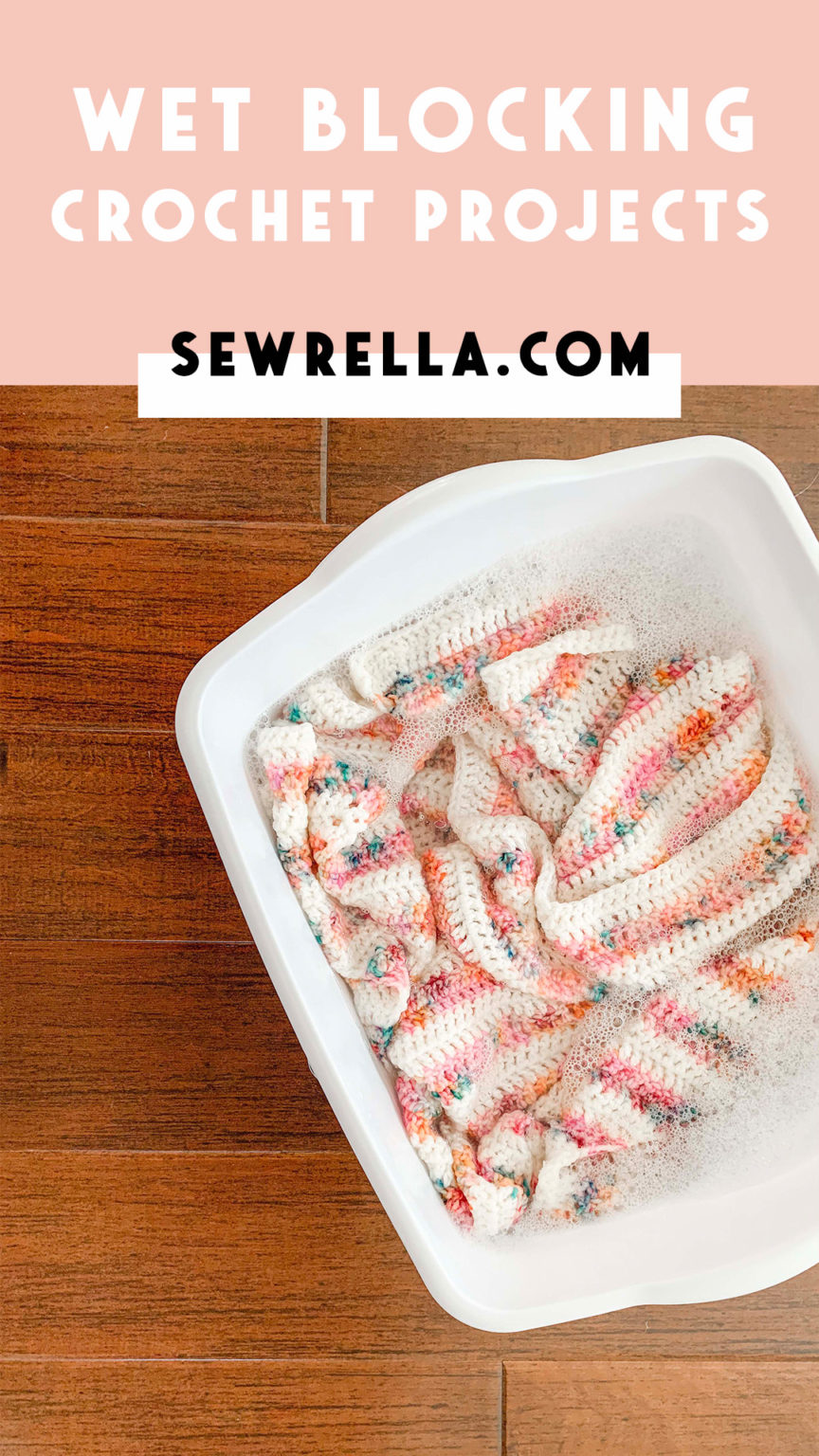
Wet blocking crochet projects free howto video tutorial

How to wet block your crochet DIY & Tutorial Happy in Red

How to Block Crochet (3 Easy Methods) Maisie and Ruth

How to Wet Block in Crochet An InDepth Guide CrochetKim™
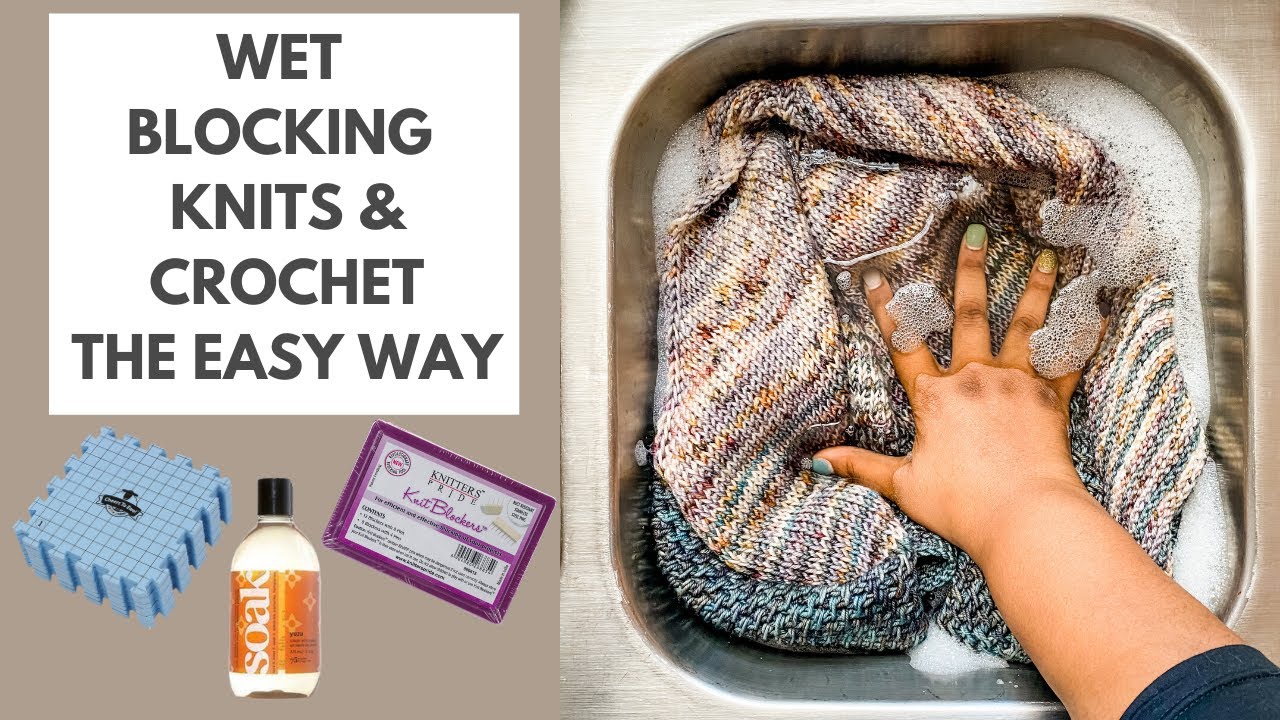
WET BLOCKING 101 HOW TO WET BLOCK A SHAWL [Step By Step Guide to Block
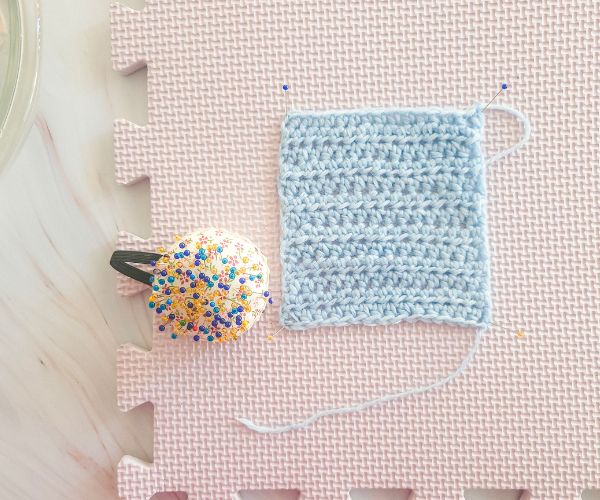
How to Wet Block in Crochet An InDepth Guide CrochetKim™
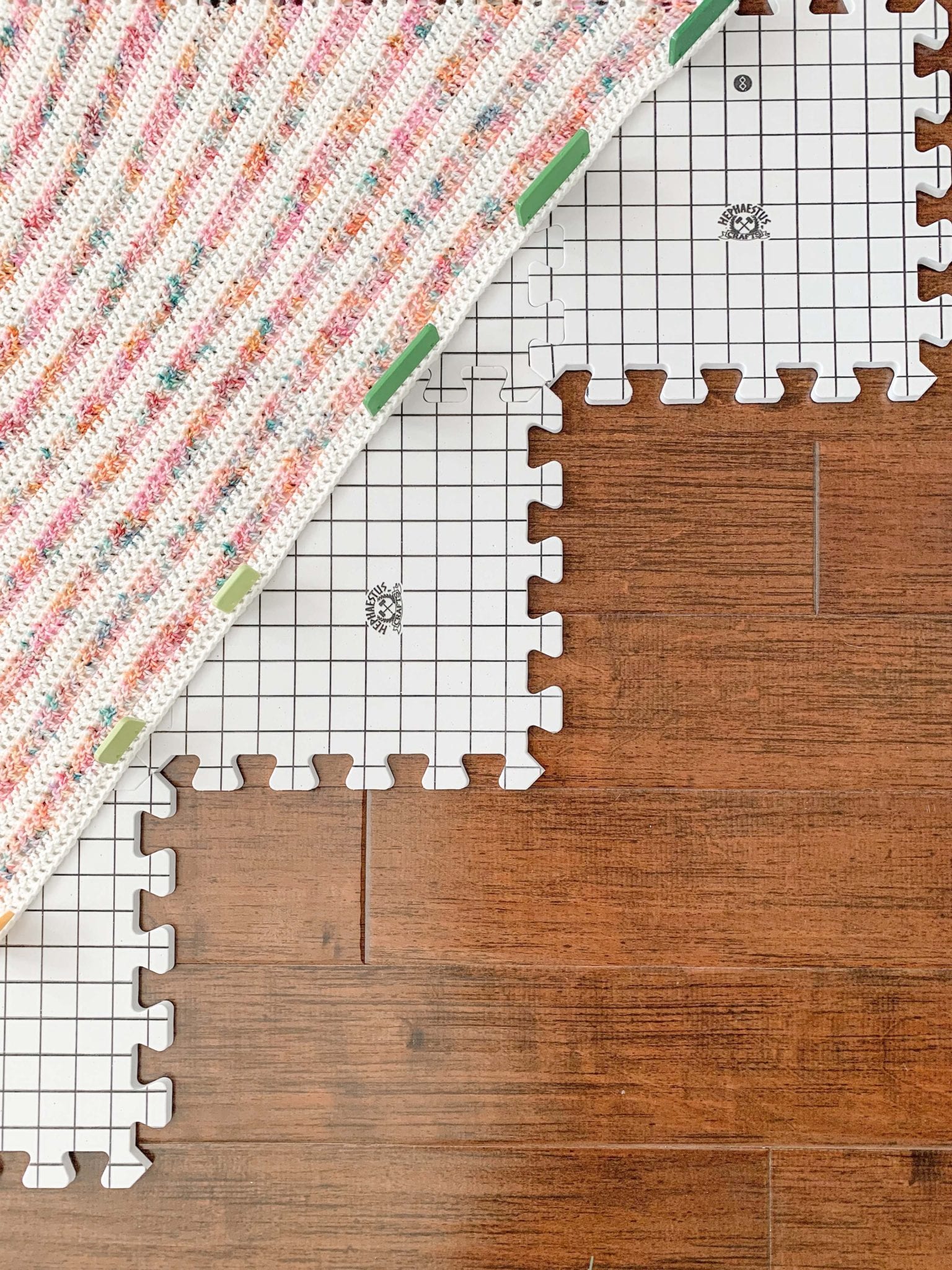
Wet blocking crochet projects free howto video tutorial

Wet Block Crochet Afghan Squares Tutorial • Free Crochet Tutorials and

How to Wet Block in Crochet An InDepth Guide CrochetKim™

How To Block Crochet Wet & Steam Blocking Instructions Crafting
This Is Achieved By Applying Moisture.
Natural Fiber Yarns Such As Wool, Cotton, And Linen.
This Method Works Well For:
In Short, Blocking Is Getting Your Project Wet And Letting It Dry!
Related Post: